“I hope audiences will start to anticipate this type of stability from Nigerian movies, the place we will retain our melodramatic traditions whereas creating dramas which might be universally acclaimed and appreciated.” — Daniel Oriahi
By Adedamola Jones Adedayo
In 2010, Nigerian creator Lola Shoneyin printed The Secret Lives of Baba Segi’s Wives, a novel about girls navigating life in a polygamous family. Following its launch, the novel made the longlist for the 2011 Orange Prize for Fiction (now the Girls’s Prize for Fiction) and was shortlisted for the 2012 NLNG Nigeria Prize for Literature. Now a contemporary literary treasure, it’s the supply of Nollywood’s newest movie adaptation, The Secret Lives of Baba Segi’s Wives (2026), which an Afrocritik evaluation describes as “an entertaining home drama, enlivened by its dialogue, dedicated performances and recognisable social dynamics.”
Directed by Daniel Oriahi, The Secret Lives of Baba Segi’s Wives portrays Baba Segi as a bubbly, uneducated patriarch and thriving businessman with three wives at first: Iya Segi, Iya Tope, and Iya Femi. Baba Segi believes himself to be accountable for the household, as all of them undergo his authority. However when Bolanle, a college graduate, joins the family as Baba Segi’s fourth spouse, her presence and incapacity to conceive a baby end result within the unravelling of deep marital secrets and techniques.
Although primarily preoccupied with the intrigues of polygamy, The Secret Lives of Baba Segi’s Wives unfolds as a home drama that examines how girls negotiate their identities inside patriarchal buildings, particularly when marriage and motherhood grow to be measures of their value. By presenting the distinctive experiences of the 4 wives, the movie captures the methods by which girls concurrently reinforce and endure below the identical system, making selections that mirror not solely their ambitions but in addition their vulnerabilities.
This dimension of the novel was of specific significance to Oriahi in approaching the movie adaptation. As a substitute of treating the story solely as a satire of polygamy, the director was within the particular person experiences that inform the ladies’s selections and the robust circumstances that decide their positions throughout the family.
Oriahi first got here in touch with The Secret Lives of Baba Segi’s Wives ten years in the past and was drawn to the dynamics of polygamy, satire, betrayal, energy, and humour. Nonetheless, his eventual involvement within the movie got here after his earlier characteristic, The Weekend (2024), screened on the BFI London Movie Competition in 2024. Following the movie’s screening, Nigerian media mogul Mo Abudu congratulated him and expressed curiosity in watching the movie. Their subsequent dialog opened the opportunity of a collaboration, finally resulting in their adaptation of Shoneyin’s celebrated novel, produced below the banner of Abudu’s EbonyLife Movies, with Abudu main the crew of producers.
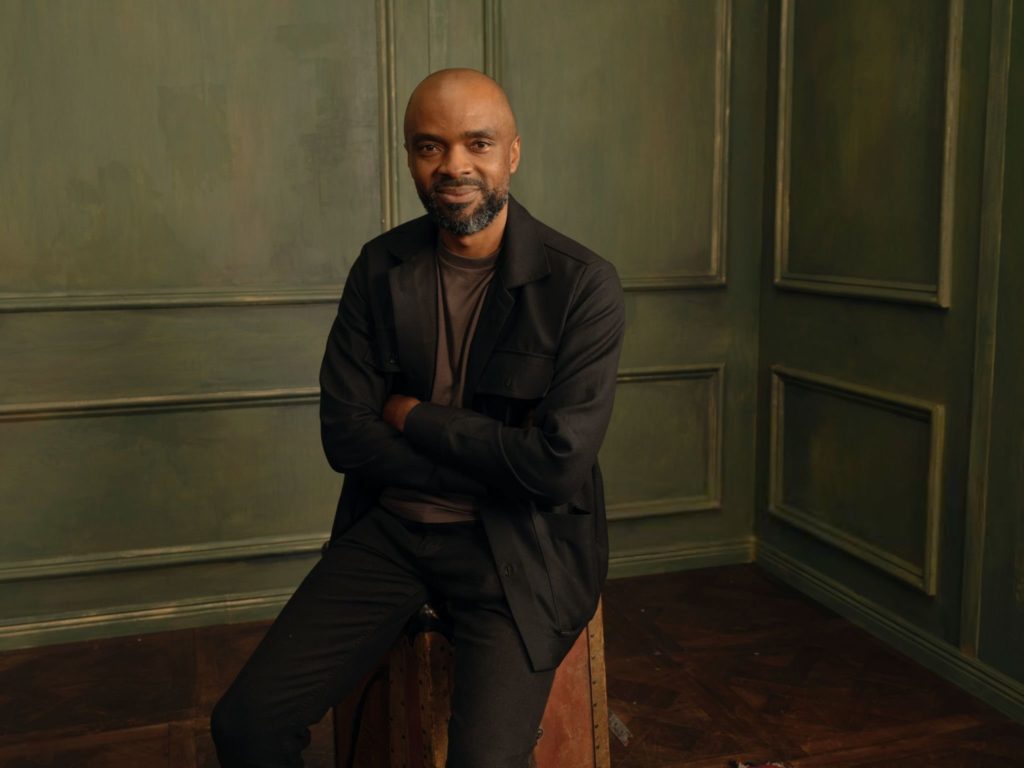
“For her, it was about the truth that the e book was a well-beloved materials,” Oriahi recollects. “She needed to make a movie that might have the ability to journey and nonetheless retain a variety of esteem when it comes to its construction and relatability to the Nigerian viewers, whereas remaining a Nigerian story. She needed a stability, which was why I used to be introduced on board.” For Oriahi, whose oeuvre cuts throughout well-travelled movies like The Weekend, critically acclaimed movies comparable to Sylvia (2018), and field workplace successes like Taxi Driver: Oko Ashewo (2015), reaching that stability required greater than merely reproducing the novel’s occasions. It meant figuring out the weather that made the story enduring and discovering a cinematic language by which they may resonate with modern audiences.
Earlier than continuing to work with the screenplay, for which he shares writing credit with Abudu, Adze Ugah and Heidi Uys, he returned to the novel, studying it a number of instances from completely different views. The primary time was as a reader, to acquaint himself with the construction of the story. The second time was with a give attention to the characters and their arcs. The third studying, for him, was as a director, with him contemplating what features of the narrative needed to be preserved, reordered, or taken out completely within the movie adaptation.
Translating The Secret Lives of Baba Segi’s Wives right into a characteristic movie offered Oriahi with two interconnected challenges: preserving the cultural specificity of the unique story whereas making artistic selections that might enable the variation to perform as an unbiased cinematic work. The novel is about in Ibadan within the late Nineteen Nineties and early 2000s, however the movie takes a recent strategy. For Oriahi, this choice was knowledgeable by the enduring relevance of the problems on the coronary heart of the story.
He cites Francis Ford Coppola’s Apocalypse Now (1979), an adaptation of Joseph Conrad’s Coronary heart of Darkness (1899), for example of how filmmakers can relocate or reinterpret a supply textual content whereas retaining its central issues. Coppola’s relocation of Conrad’s story to the Vietnam Warfare demonstrated to Oriahi how an adaptation can protect a piece’s underlying concepts whereas permitting them to have interaction with a unique historic and cultural context.
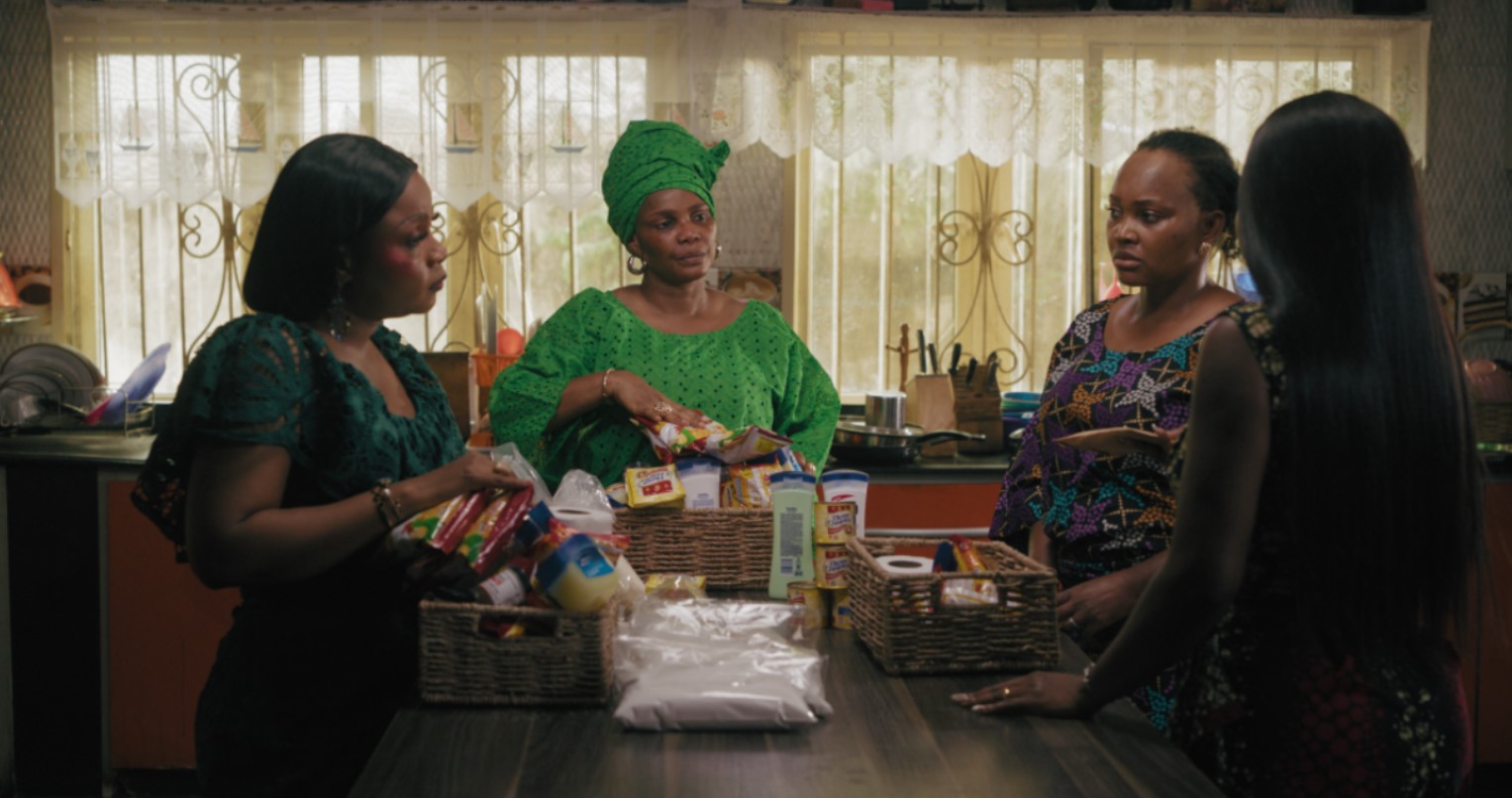
With The Secret Lives of Baba Segi’s Wives, nevertheless, Oriahi wanted to transpose the novel’s issues into the current with out diminishing their connection to Nigerian society. “The guts of the story has not disappeared. Persons are nonetheless making an attempt to suit right into a system and create an identification inside it,” he says. “Girls are nonetheless being judged primarily based on whether or not they have youngsters and whether or not they’re married.”
Adapting a novel right into a characteristic movie requires appreciable compression. A filmmaker should decide which characters and experiences will obtain probably the most consideration, which parts might be expanded, and which have to be omitted to accommodate the constraints of the medium. The Secret Lives of Baba Segi’s Wives has a runtime of about two hours. So, how does one match a e book of over 200 pages into the movie’s runtime? “You start to resolve whose story to observe, what to construction, and the way to make it work for the display screen,” the director explains.
What he was principally involved with was the way to protect the story’s emotional integrity whereas developing a coherent cinematic narrative. In Shoneyin’s novel, the a number of factors of view enable readers to grasp the characters by their private histories and motivations. For Oriahi, that narrative strategy presents a possibility to domesticate empathy and compassion fairly than encourage audiences to guage the ladies solely by their actions. The difference subsequently grew to become an train in figuring out the emotional foundations of the story whereas figuring out how finest to translate them right into a feature-length narrative.
The character whose assemble and progress within the story notably caught Oriahi’s curiosity was Bolanle, Baba Segi’s fourth spouse. An informed younger lady who seems to be in a greater place to navigate the world, Bolanle ventures into marriage bearing a previous trauma that redefines her understanding of affection, belonging and self-worth. When she is unable to fulfill the household’s expectations round motherhood, her place turns into weak.
Bolanle’s story offered Oriahi with a technique to organise the variation round questions of identification, self-worth, and private freedom. It additionally resonated together with his improvement as a filmmaker since a lot of his work includes portraying folks caught up in trauma and sophisticated household dynamics. “These parts grew to become the muse for a way I approached translating the story and adapting it into what it’s now,” he says. Bolanle’s journey, because the director understands it to be, will not be merely about discovering the secrets and techniques of the family however about confronting the experiences which have formed her notion of herself. However then, he believes there’s the irony of Bolanle coming into the wedding with the hope of being built-in right into a system that she later has to rethink her place inside.
For Omowunmi Dada, who performs the function of Bolanle, the best strategy was to empathise with the character, recognising the excellence between understanding a personality’s selections and judging them. Working with Oriahi, Dada sought to carry to the display screen a lady whose vulnerabilities coexist along with her intelligence, beliefs, and need for a extra fulfilling life. She describes Bolanle as a lady whose schooling provides her a selected understanding of the world with out essentially equipping her to navigate the emotional issues of her circumstances.
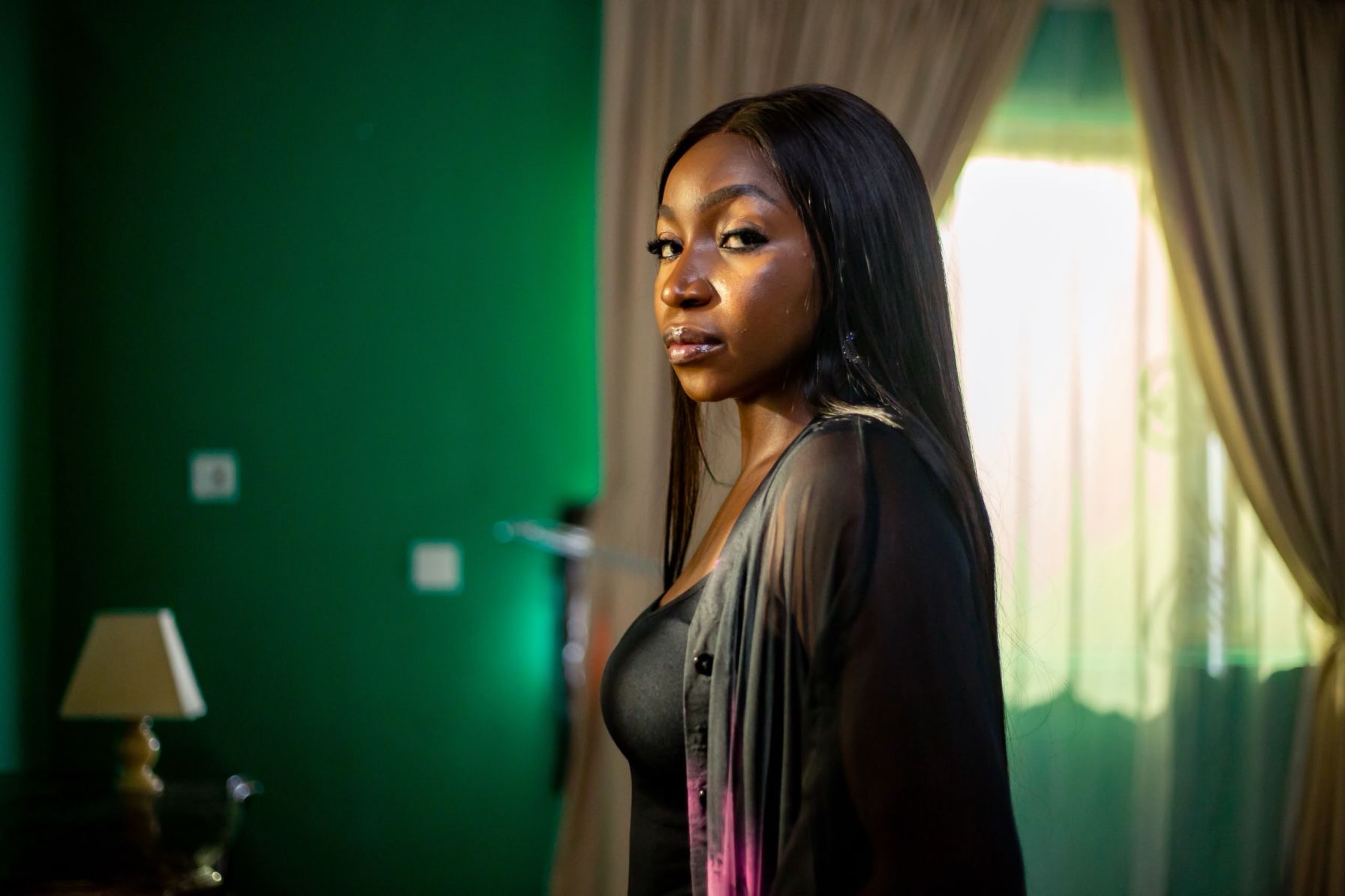
Bolanle’s choice to marry Baba Segi emerges, in Dada’s interpretation, not from an intention to trigger chaos however from a need for acceptance. She imagines a family by which affection is plentiful sufficient for her to discover a place, solely to find that belonging inside such a construction is extra difficult than she anticipated. “However then, typically, the selections we make after we are hurting are usually not essentially the selections we might make after we are complete,” she says. “That’s the reason you see that, after she speaks along with her mum and lets go of a few of her ache, the trajectory of her selections turns into very completely different.”
This understanding additionally formed how Dada approached the character’s private historical past. “If you end up coping with a personality who has skilled sexual trauma, you must watch out to not enable simply the trauma to be the one factor that defines her,” Dada says. “She’s greater than her trauma and expertise, a lady that’s trying ahead to being seen and cherished.”
Among the many wives, Iya Segi, the primary spouse to the patriarch, occupies a central place of authority. She wields some affect over the actions and behaviours of the opposite two wives. Her relationship with the co-wives is formed by competitors and resentment, in addition to the necessity for recognition, safety, and belonging. However with Bolanle’s arrival, it doesn’t take lengthy for her authority to come back below strain.
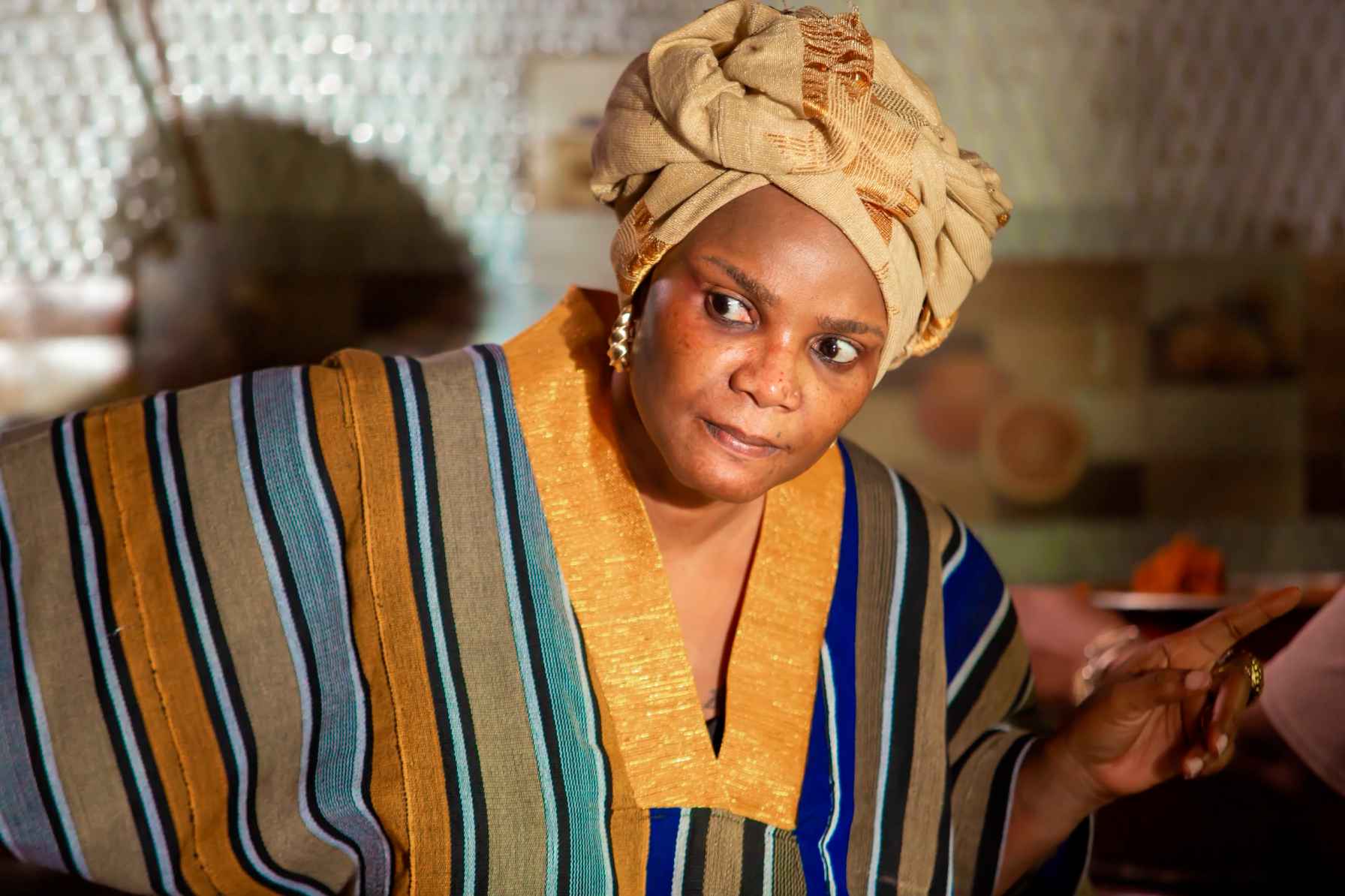
In portraying Iya Segi, Iyabo Ojo recollects departing from the glamorous persona audiences have come to affiliate along with her onscreen presence. Identified for her polished look and commanding performances, she welcomed the chance to embody a personality whose bodily look and disposition demanded a unique strategy. Ojo describes Iya Segi as a plus-sized lady and loved the method of adapting her actions, stroll, and general presence to mirror the character’s identification.
“I want to offer credit score to the director as a result of I feel he did a tremendous job of constructing that occur. I used to be principally simply listening to my director and decoding the character in one of the best ways he needed me to,” Ojo says about making Iya Segi’s motivations comprehensible.

Whereas Iya Segi seeks to protect her place, Iya Tope is usually outlined by the gradual discovery of her personal voice. Performed by Mercy Aigbe, Iya Tope is a lady who enters the wedding with out having freely chosen her circumstances, and her experiences throughout the family have left her accustomed to following directions fairly than making selections for herself. The arrival of Bolanle, nevertheless, introduces a unique type of relationship, one by which she begins to really feel acknowledged.
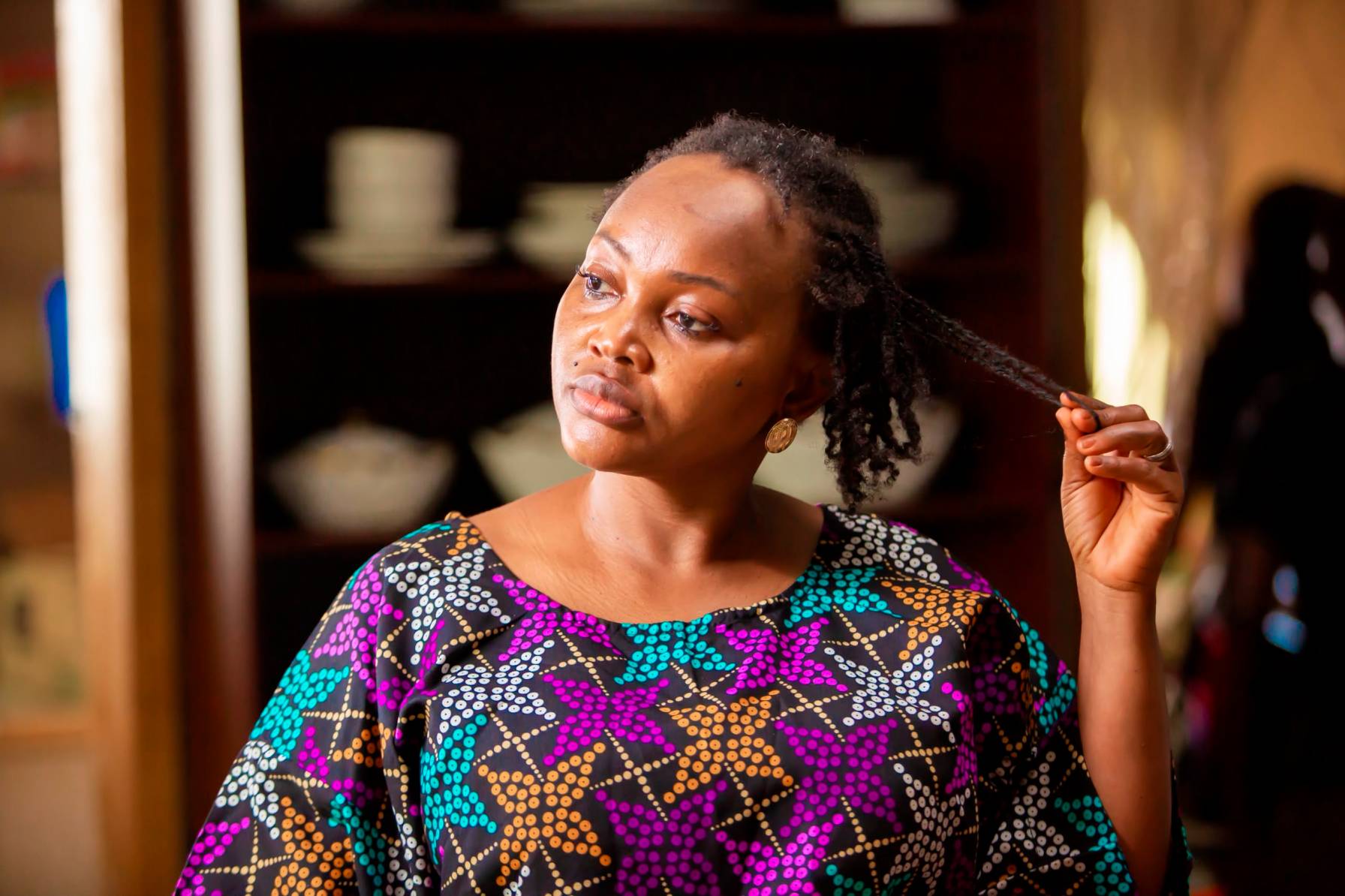
“Taking part in Iya Tope was not a stroll within the park for me as a result of I actually needed to first perceive her character and who she was as an individual,” Aigbe says. She explains that Iya Tope’s expertise of being seen and heard grew to become the emotional basis of her efficiency. Earlier than Bolanle arrives, the character struggles to say herself, largely accepting the circumstances imposed upon her. Via their relationship, she begins to recognise that her ideas, emotions, and selections deserve consideration.
This transformation, she believes, speaks to experiences that reach past the movie’s fictional family. Many individuals, she observes, dwell with out feeling that their voices matter, even inside their closest relationships. “I used to be simply joyful that, sooner or later within the movie, she discovered her voice and regularly started to talk up for what she believed in,” Aigbe says. “Bolanle additionally made her see herself as a human being within the story by giving her consideration and a listening ear. And that’s what I would like folks to remove from the movie. Simply listening to somebody might be the best present you may give them.”
Her interpretation of Iya Tope subsequently rests on the significance of listening, respecting particular person selections, and permitting folks the house to specific themselves. The character’s improvement presents a distinction to the rivalry that defines a lot of the family, suggesting that recognition and empathy can create potentialities for private change even inside restrictive circumstances.
Bimbo Ademoye’s Iya Femi, in the meantime, approaches the family from a place formed by ambition and insecurity. Her alliance with Iya Segi displays her willpower to take care of the life she has secured, however her outward confidence additionally conceals a extra weak relationship along with her personal previous. “I felt my character was simply presupposed to be additional, and that it was rooted in her low vanity as a result of she had all the pieces taken away from her at a really younger age,” Ademoye says.
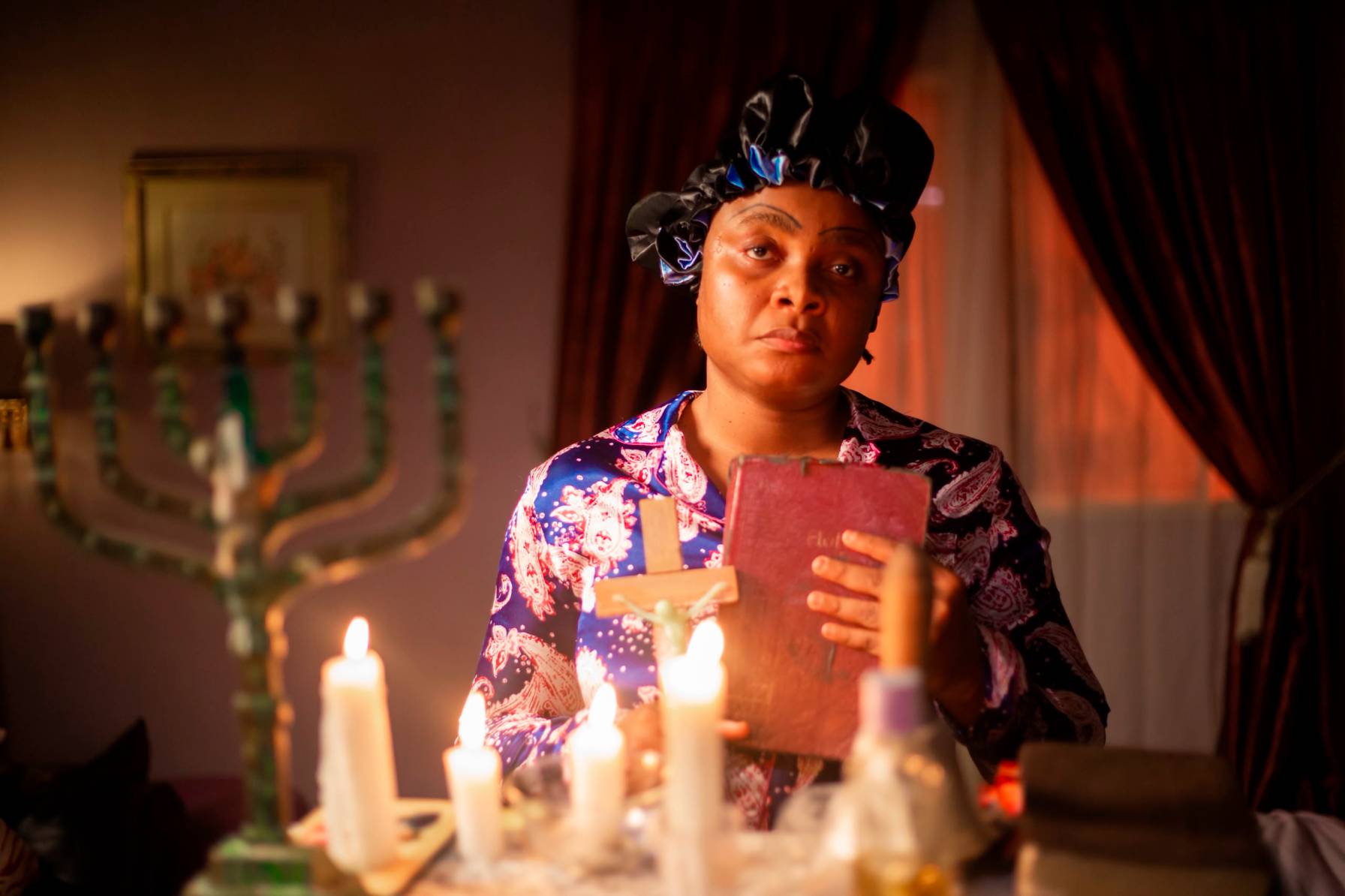
Iya Femi’s relationship with Baba Segi is especially revealing on this regard. “In case you discover, of all of the wives, she was truly the one who went for Baba Segi. She simply needed to have a superb life, and when she finally obtained it, she was going to point out off in each potential means. You’d see it in all the pieces, even her make-up and outfits, till Bolanle got here round,” Ademoye explains additional.
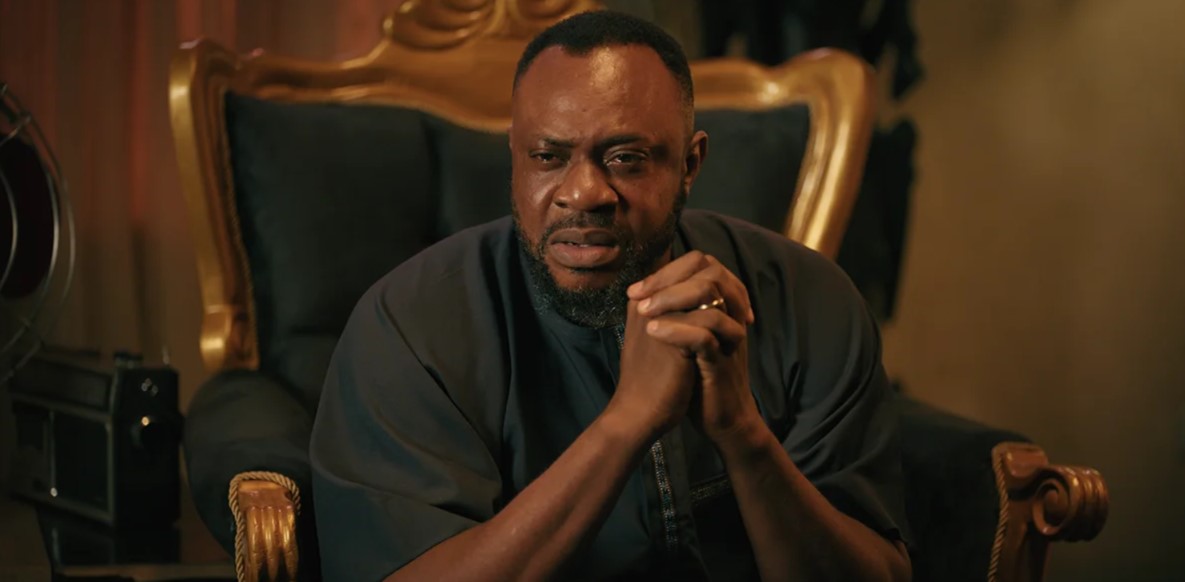
The patriarch, Baba Segi, is dropped at life by Odunlade Adekola, who brings his attribute delight, allure, and confidence to a person who’s assured in his authority over his life and bustling family. The actor’s love for the story and his years of expertise enjoying comparable characters translate to a passionate portrayal of Baba Segi as an uneducated man who possesses a pompous character however has to reckon with the realisation that he doesn’t, in reality, have as a lot management as he initially believes he does.
The Secret Lives of Baba Segi’s Wives had its European premiere on the seventieth BFI London Movie Competition, following a world premiere within the Centrepiece Programme on the 51st Toronto Worldwide Movie Competition, and forward of a screening at EbonyLife Place London as a part of the programme for the thirteenth Movie Africa in the UK. Its worldwide pageant journey situates the variation inside a wider dialog in regards to the evolving potentialities of Nollywood and its relationship with audiences inside and past Nigeria. The director sees the mission as a part of an ongoing effort to develop a cinematic language that may talk Nigerian experiences throughout cultural boundaries.
“The lasting impression for me is that Nigerian movies are starting to discover a stability between the Nollywood aesthetics that Nigerians are aware of and a Western visible language,” he states. This stability, as he perceives, is in the end a query of identification. Nigerian filmmakers should have the ability to retain the cultural traits that make their tales distinctive whereas exploring types of storytelling that enable worldwide audiences to attach with them.
“We all know that movies from different components of the world have resonated with audiences throughout completely different cultures,” Oriahi explains. “Nigerian tales want to succeed in that time the place they keep their identities whereas being articulated in ways in which audiences past their speedy cultural setting can join with. For me, that’s what I’m making an attempt to discover with this movie. I hope audiences will start to anticipate this type of stability from Nigerian movies, the place we will retain our melodramatic traditions whereas creating dramas which might be universally acclaimed and appreciated.”
Adedamola Jones Adedayo is a movie journalist and critic with particular curiosity in African cinema. Via writing and audiovisual mediums, he creates conversations round cinema in Africa and the Diaspora. Yow will discover him on Instagram @jonesthegoodboy and X on AdedamolaAdeda4.