

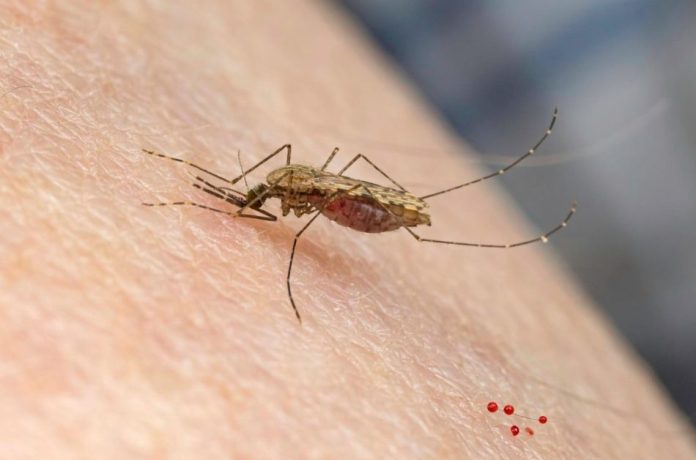
Scientific advances, together with malaria vaccines, improved diagnostic instruments, parasite genomics, and satellite-based monitoring, are strengthening world efforts to remove malaria. Nonetheless, translating these breakthroughs into efficient interventions stays a big problem, significantly in sub-Saharan Africa, which accounts for roughly 95% of world circumstances and deaths. Researchers establish three main obstacles: early warnings that don’t set off well timed preparedness, proof that isn’t accounted for in policymaking and implementation, and consciousness that doesn’t change conduct. For example, research in Zambia and Zimbabwe discovered that though most individuals understood how malaria spreads and will establish its signs, many lacked ample entry to mosquito nets. Monetary constraints and restricted healthcare entry additionally delay prognosis and remedy. To eradicate malaria, the researchers urge stronger well being programs, accessible prevention packages, higher group engagement, and nearer coordination between scientists, policymakers, and nationwide malaria management packages.